
Fire TV’s Phone-First Pivot
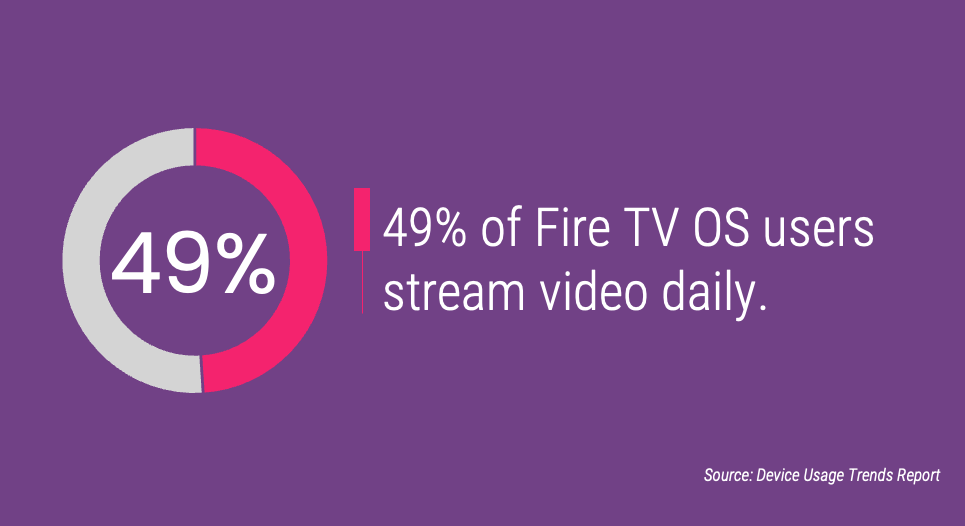
Amazon is rolling out a redesigned Fire TV mobile app that elevates the phone from “backup remote” to a true second screen. Users can now browse across services, manage a unified watchlist, and hand off playback to the TV directly from the mobile app. The mobile refresh mirrors February’s broader Fire TV OS overhaul – a cleaner, faster UI with top-level tabs (Movies, TV, Live, Sports, News), and expanded app pinning (from 6 to 20). The push responds to mounting discovery friction as libraries splinter; Fire TV is explicitly repositioned as a cross‑service discovery hub rather than a mere app launcher. Competitive framing versus Google TV and Roku focuses on the modern layout and faster navigation as Amazon seeks advantage on usability.
The Circana Take:
- The new tabs and larger pin capacity increase entry points for titles and apps, potentially boosting conversion from browsing to play. However, algorithmic “For You” rows and a more prominent search elevate platform-level control of demand creation, intensifying the battle for top-of-shelf placement and paid promotion units.
- Letting users add to watchlists on the go and initiate TV playback from mobile should lift session starts and reduce abandonment at “what to watch.” Services that integrate deep links and entitlement checks cleanly will capture more starts.
NBA Accelerates National Streaming Hub
The NBA is accelerating plans to launch a centralized national broadcast hub as early as next season, driven by the imminent collapse of Main Street Sports Group, which currently manages local rights for thirteen teams. The league has begun active discussions with major streaming distributors — including YouTube TV, Amazon Prime Video, ESPN, and DAZN — about aggregating local game broadcasts into a unified service resembling NFL Sunday Ticket. If enough franchises opt in, the package could encompass up to twenty-two teams and generate billions in media value, reshaping how local NBA content is delivered and consumed. The move reflects mounting instability across regional sports networks, prompting some clubs to explore interim linear and OTT solutions. While structure and pricing remain fluid, the league’s urgency signals a strategic shift toward consolidating rights and future‑proofing distribution amid a rapidly changing sports media landscape.
The Circana Take:
- A centralized NBA package creates a rare premium rights opportunity, intensifying bidding and raising the stakes for streamers seeking scale and stickiness. Platforms able to secure portions of the package gain differentiation, subscriber acquisition leverage, and higher engagement windows tied to live sports.
- Pulling local games from fractured RSNs into a single national service reduces fragmentation and trains fans to expect centralized sports access. Streamers that integrate seamlessly—via discovery, cross‑platform authentication, and flexible regional add‑ons—stand to benefit disproportionately.
Hallmark Exits TVE
Hallmark Media is shutting down its dedicated streaming app on Roku, Google TV, and other devices effective March 31, 2026, marking another retreat by a traditional cable network from standalone OTT distribution. After April 1, users attempting to authenticate through TV‑provider credentials will lose access, shifting Hallmark’s viewing primarily back to linear cable or select bundled streaming partners.
This move reflects a broader industry trend: cable networks are consolidating digital operations as app maintenance across multiple platforms becomes cost‑intensive and increasingly misaligned with viewing patterns. With cord‑cutting accelerating and audiences gravitating toward centralized streaming ecosystems dominated by Netflix, Disney+, and Amazon, mid‑tier cable brands face mounting pressure to streamline. Hallmark’s decision underscores the widening gap between legacy networks and modern discovery environments, especially as tech platforms like Amazon simultaneously expand their second‑screen and content‑discovery capabilities.
The Circana Take:
- We’ve been seeing this across the board. As nearly all media companies now have fully operational SVOD apps there remains little need to operate cable TV authenticated on-demand app experiences.