
MWC 2026 delivered a mix of tangible industry shifts and forward‑looking concepts, with AI shaping nearly every conversation, from networks and devices to new hardware form factors. Beneath the excitement, however, the show also highlighted mounting economic pressures that will influence the mobile landscape over the next several years.
Memory Price Hikes: The Quiet Headline
Before diving into this year’s themes, I want to revisit a topic from my pre‑show blog: rising DRAM and NAND prices. Nearly every meeting at the show touched on this. OEMs are already warning carriers about upcoming device price increases driven by higher component costs. The consensus is clear; this won’t be a short‑lived issue. Many expect pricing pressure to continue for couple years or more, affecting the entire smartphone ecosystem.
Consumers will inevitably feel part of the impact. With MSRPs set to rise, some U.S. carriers are also signaling a pullback on subsidies and device promotions. That combination could create real headwinds for upgrades over the next several years. Though not an “official” show theme, it was arguably one of the most discussed topics behind closed doors.
Networks Take the Spotlight
Our coverage typically leans toward devices and consumer behavior, but this year network announcements were impossible to ignore. Even though we’re still deep in the 5G rollout cycle, several major players — Qualcomm, Ericsson, Nvidia — showcased early visions of 6G as the “AI network,” built for massive data processing, edge intelligence, and autonomous systems.
Deutsche Telekom (parent or license partner of T‑Mobile US) focused heavily on AI‑RAN, integrating AI workloads directly into radio access networks. One particularly interesting piece of their vision imagines networks powering “physical AI,” such as robotics and automated systems, potentially tied to a “kinetic token” economy.
Some of these concepts remain early‑stage, but they reveal how operators hope to evolve beyond the “dumb pipe” narrative and reposition networks as intelligence platforms.
Sovereign Networks and Geopolitics Return
Geopolitical themes made a noticeable comeback, reminiscent of the Huawei era when the company lost access to Google services and was sidelined from Western infrastructure discussions.
With global tensions rising, European stakeholders are increasingly considering regional alternatives — European cloud infrastructure, telecom‑based AI platforms, and even “Made in Europe” device options. Fairphone and Jolla were among those leaning into this message.
In a timely coincidence, the European Parliament passed a new “Made in EU” initiative on the show’s final day, echoing the conversations happening across the show floor.
Satellite Connectivity: Hype Meets Reality
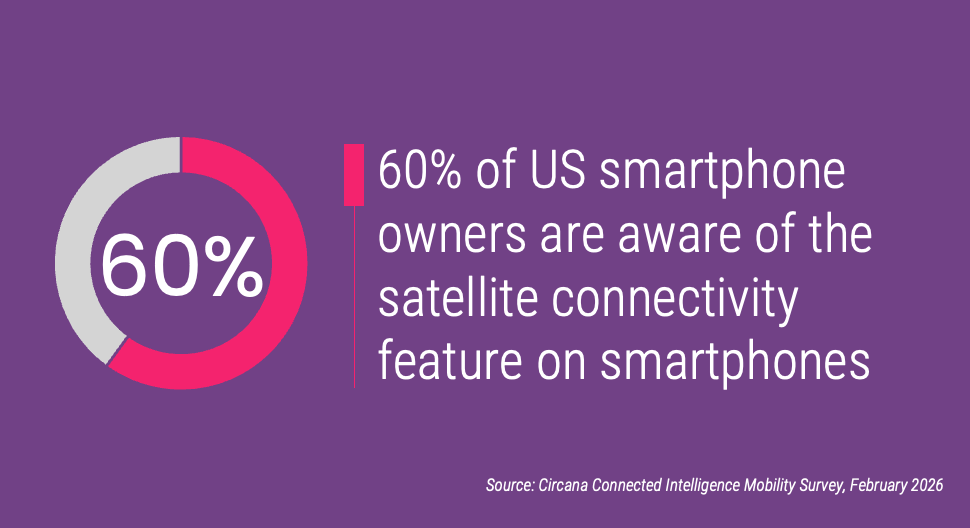
Satellite-to-phone connectivity was another major talking point, with operators highlighting partnerships with SpaceXand AST SpaceMobile. Starlink Direct to Cell remains the centerpiece example, promising direct connectivity to standard smartphones without special hardware. T‑Mobile US and Deutsche Telekom have already signed on.
The technology is undeniably impressive — especially for emergencies and remote coverage — but the commercial potential may remain niche. Most consumers aren’t eager to pay extra for occasional outdoor connectivity, especially when Apple already includes emergency satellite messaging at no additional cost on recent iPhones. We will provide more coverage (and data) on this topic during mobile market update sessions with our clients in the coming weeks.
Consumer Devices Still Draw the Crowds
- Samsung debuted its Galaxy S26 lineup ahead of the show but still drew significant attention with experimental devices, including a tri‑fold Galaxy concept and new additions to its Galaxy VR ecosystem.
- Honor delivered one of the more playful moments with a robot‑themed smartphone concept — gimmicky, perhaps, but genuinely entertaining. Honor and several other Chinese vendors also showcased agentic AI interfaces aiming to move beyond the traditional app‑centric smartphone paradigm.
- Motorola made waves with the new Motorola Razr Fold, a direct competitor to Samsung’s Galaxy Z Fold 7. The device feels premium, but its high European price point places it squarely in the ultra‑premium tier, limiting its potential success. Motorola is pairing the launch with a major 2026 FIFA World Cup promotion, including a limited‑edition model bundled with match tickets—a bold, if expensive, marketing play.
New AI‑Driven Form Factors
AI‑powered wearables also had a moment. One of the notable demos came from Qualcomm’s booth, where Razershowcased AI‑enabled gaming headphones featuring cameras — a sort of Ray‑Ban Meta Smart Glasses reimagined in headphone form. The concept is still early, but it hints at how AI may extend into new consumer hardware categories.
Final Thoughts
If MWC 2026 made one thing clear, it’s that AI now permeates every corner of the telecom landscape—from networks and devices to satellites and robotics. Yet beneath the futuristic demos, the industry is bracing for real economic challenges, particularly surrounding component cost inflation and shifting carrier subsidy models.